
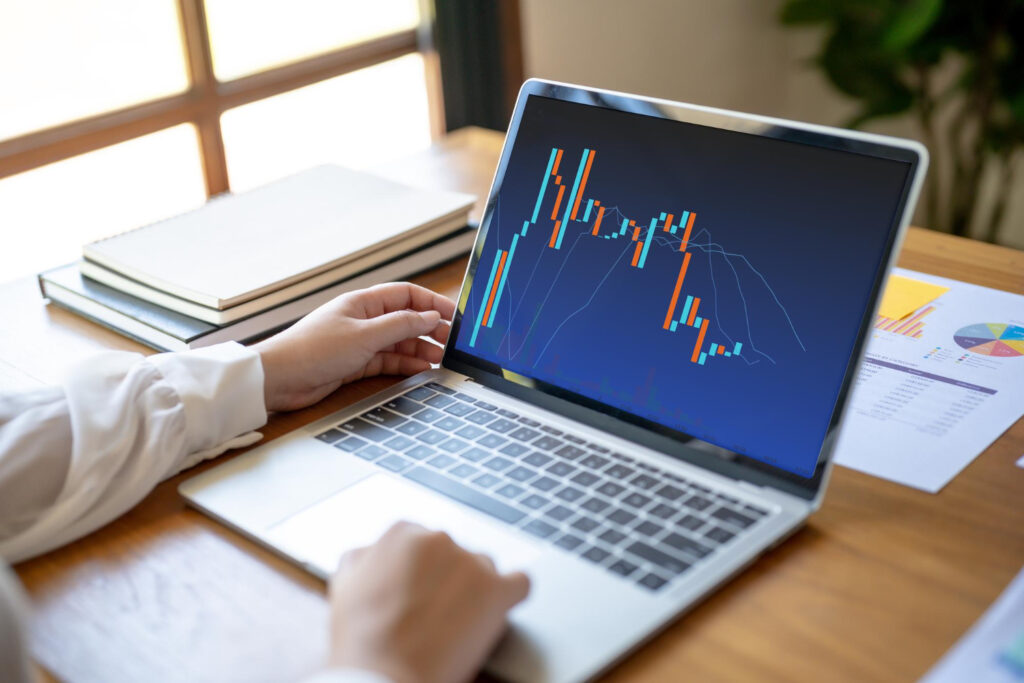
In a landscape where financial independence is increasingly sought after, many Filipinos are exploring the potential of Forex trading to transform their side hustles into sustainable incomes. Understanding the nuances of this dynamic market, including regulatory factors and essential trading strategies, is crucial for navigating its challenges. This examination delves into the viability of full-time Forex trading for Filipino traders, uncovering the opportunities and risks that define this compelling financial journey.
What is Forex Trading?
Forex trading entails the buying and selling of currency pairs to capitalize on fluctuations in exchange rates, with major pairs such as USD/PHP and EUR/USD predominantly influencing the market.
To grasp the mechanics of Forex trading, it is essential to familiarize oneself with key concepts, including bid and ask prices. The bid price represents the amount buyers are willing to pay for a currency, while the ask price indicates what sellers are requesting.
For example, if the EUR/USD pair has a bid of 1.1800 and an ask of 1.1805, traders can achieve profitability by buying at a lower price and selling at a higher price. Utilizing market analysis tools such as MetaTrader or TradingView facilitates the tracking of these fluctuations and enables traders to make informed decisions.
It is advisable to begin with a demo account to practice trading strategies without financial risk before engaging with real capital.
Why Forex Trading Appeals to Filipinos
The flexibility and potential for substantial income render Forex trading particularly attractive to Filipinos, particularly for those pursuing financial independence from traditional employment.
Numerous Filipinos have successfully made the transition to Forex trading by utilizing user-friendly platforms such as MetaTrader 4 and 5, which offer a comprehensive array of resources and analytical tools. For example, the use of demo accounts enables traders to practice strategies and build confidence without incurring financial risk.
Additionally, participating in local trading communities, whether on social media platforms like Facebook or in dedicated trading forums, provides valuable support and educational opportunities.
Many individuals also seek knowledge through online courses available on platforms such as Udemy, focusing on essential topics like technical analysis and risk management, which are critical for achieving sustained success in this market.
The Landscape of Forex Trading in the Philippines
The Forex trading landscape in the Philippines is influenced by regulatory authorities and an increasing array of accessible platforms specifically designed for local traders.
Regulatory Environment
The Securities and Exchange Commission (SEC) of the Philippines is responsible for overseeing Forex trading regulations, ensuring the implementation of fair practices while simultaneously protecting investors.
Recent modifications to these regulations include the establishment of stricter leverage limits, which are designed to safeguard retail investors from excessive risk exposure. Additionally, the SEC has intensified its monitoring of brokers to ensure their compliance with the Investment and Securities Regulation Code.
Filipino traders must also be cognizant of the SEC’s recent initiative to address unregistered Forex platforms, highlighting the necessity of engaging only with licensed brokers.
Resources such as the SEC’s official website and reputable financial news outlets serve to keep traders informed about compliance requirements and recent enforcement actions, thereby promoting a safer trading environment.
Popular Forex Brokers for Filipinos
The leading Forex brokers serving Filipino traders are XM, FXTM, and OctaFX, each offering a variety of trading tools and educational resources.
XM differentiates itself with a minimum deposit requirement of only $5, along with a leverage of up to 1:888, making it particularly accessible for novice traders.
FXTM, requiring a minimum deposit of $10, provides a substantial leverage of up to 1:2000, which is well-suited for more experienced traders seeking higher potential returns.
OctaFX sets its minimum deposit at $100 and offers leverage up to 1:500, appealing to those who value a robust trading platform complemented by comprehensive market analysis tools.
All three brokers feature educational webinars and tutorials, thereby supporting Filipino traders in enhancing their skills.
Transitioning from Side Hustle to Full-Time Trading
Transitioning from part-time to full-time Forex trading necessitates a thorough financial assessment and significant lifestyle modifications to achieve sustained success.
Assessing Financial Readiness
It is essential to evaluate one’s financial readiness by calculating the necessary trading capital, with a recommendation to save at least six months of living expenses prior to making a transition.
To facilitate this assessment, consider the following checklist for evaluating financial stability:
- Determine the capital requirements based on the trading strategy that will be employed.
- Establish an emergency fund sufficient to cover at least six to twelve months of personal expenses.
- Estimate the anticipated monthly trading expenses, which should include commissions and software fees.
For example, if one’s living expenses amount to $3,000 per month, it is advisable to aim for a minimum savings of $18,000. This financial foundation will provide a buffer against market fluctuations and support ongoing trading activities.
Time Commitment and Lifestyle Changes
Full-time Forex trading requires a substantial time commitment, with successful traders typically dedicating 4 to 6 hours each day to market analysis and trade execution.
To effectively incorporate trading into one’s lifestyle, it is advisable to establish a consistent daily schedule. Allocating specific hours for market analysis, particularly during periods of high volatility, is essential.
Utilizing an economic calendar tool, such as Forex Factory, can aid in tracking significant market events that impact currency pairs. Additionally, managing emotional responses through practices such as trade journaling or implementing meditation techniques can enhance focus and clarity.
By balancing these elements, one can reduce stress and improve decision-making capabilities, thereby facilitating work-life integration and supporting the maintenance of personal relationships.
Strategies for Success in Forex Trading
Success in Forex trading depends on a combination of technical and fundamental analysis, which equips traders to make informed decisions in a volatile market.
Technical vs. Fundamental Analysis
Technical analysis emphasizes price movements and chart patterns, while fundamental analysis takes into account economic indicators, thereby providing a comprehensive trading approach.
To effectively utilize both techniques, traders can employ specific tools. For technical analysis, widely used platforms such as MetaTrader 4 allow users to analyze charts, apply indicators, and conduct backtesting.
In parallel, fundamental analysis can be enhanced through the use of economic calendars, such as those provided by Investing.com, which deliver updates on significant economic events. By integrating these tools, traders are better positioned to make well-informed decisions.
For example, identifying a bullish chart pattern on MetaTrader in conjunction with favorable economic news may indicate a stronger buying opportunity.
Risk Management Techniques
Implementing robust risk management techniques, such as establishing stop-loss orders and calculating the risk-reward ratio, is essential for achieving long-term trading success.
Position sizing is a critical component of this process; it is important to determine the proportion of your capital that you are willing to risk on a single trade. A common guideline is to limit this risk to no more than 1-2% of your total account balance.
Diversification across various asset classes can further mitigate risks. For instance, if you are trading stocks, it may be prudent to allocate a portion of your portfolio to commodities or bonds.
Utilizing tools such as TradingView can enhance your analytical capabilities by providing comprehensive charting options and real-time market data, thereby enabling you to identify trends and adjust your strategies as necessary.
Challenges Faced by Filipino Forex Traders
Filipino Forex traders face distinctive challenges that can hinder their success, such as market volatility and restricted access to dependable educational resources.
Market Volatility
Market volatility, often influenced by economic news and geopolitical events, presents both risks and opportunities for traders, necessitating a high degree of vigilance and adaptability.
To effectively navigate this volatility, traders should concentrate on key economic indicators, including inflation rates, unemployment figures, and central bank interest rate decisions.
For example, a surprising increase in inflation may result in currency depreciation, which would require traders to reassess their positions accordingly. Utilizing tools such as economic calendars from platforms like Investing.com or Forex Factory can be beneficial for tracking these important releases.
Incorporating stop-loss orders serves as a safeguard against unexpected market movements, facilitating a more disciplined trading strategy while optimizing potential gains during favorable market conditions.
Access to Resources and Education
Access to quality trading education and resources presents a significant challenge for many Filipino traders, which impedes their ability to develop effective trading strategies. To enhance their trading skills, Filipino traders can explore several valuable resources.
For instance, BabyPips provides a free and comprehensive online course that covers everything from the basics of Forex trading to advanced strategies. Participating in webinars hosted by local investment firms can also offer real-time insights from expert traders.
Additionally, mentorship programs available through the Philippine Stock Exchange connect novice traders with experienced professionals, providing personalized guidance. Engaging with online trading communities on platforms such as Facebook and Discord can further facilitate knowledge-sharing and support, allowing traders to learn effectively from one another.
Evaluating Long-Term Viability
The long-term viability of Forex trading is contingent upon continuous learning, market adaptation, and strict adherence to established financial goals.
To assess long-term trading success, it is essential to monitor key metrics, such as win rate, average trade duration, and return on investment (ROI).
Developing strategies for ongoing education is crucial, which may include subscribing to reputable Forex webinars or participating in trading communities.
For example, utilizing analytical tools such as MyTradeBook can assist in examining trading patterns, while platforms like Investopedia provide extensive resources to enhance understanding of market dynamics.
Regularly reviewing these metrics and expanding one’s knowledge will significantly improve the ability to adapt to market fluctuations and optimize trading strategies.
Final Thoughts for Aspiring Traders
Aspiring traders must cultivate self-discipline and emotional resilience, as these attributes are essential for effectively navigating the fluctuations inherent in trading Forex.
To foster these qualities, traders can implement specific strategies. For example, maintaining a trading journal can assist in identifying emotional triggers and patterns, thereby enabling traders to make more rational and informed decisions. Additionally, setting clear and achievable goals can enhance discipline by providing a focused direction.
Engaging with a supportive trading community, whether through online forums or local meetups, can offer valuable encouragement and accountability. Furthermore, committing to continuous learning-via books, webinars, or mentorship-significantly enhances emotional resilience and skill, thereby establishing a solid foundation for success in Forex trading.
Frequently Asked Questions
Can Forex trading provide a sustainable full-time income for Filipino traders?
Yes, Forex trading has the potential to provide a sustainable full-time income for Filipino traders. However, this depends on various factors such as individual trading strategies, risk management, market conditions, and dedication to learning and improving skills.
Is Forex trading a legitimate way to earn a full-time income in the Philippines?
Yes, Forex trading is a legitimate way to earn a full-time income in the Philippines. It is a global market that operates 24/7 and is accessible to anyone with an internet connection. As long as traders abide by the laws and regulations set by government agencies, it is a legal and viable option for generating income.
Can Filipino traders sustain a full-time income from Forex trading while also having a day job?
It is possible for Filipino traders to sustain a full-time income from Forex trading while also having a day job. However, it requires efficient time management and a solid understanding of the market to balance both commitments. It is important to have a realistic and achievable trading plan to ensure success in both areas.
What are some factors that can affect a Filipino trader’s success in generating a full-time income from Forex trading?
Some factors that can affect a Filipino trader’s success in generating a full-time income from Forex trading include market volatility, economic and political events, personal trading strategies, risk management, and emotional discipline. Being aware of these factors and continuously learning and adapting can increase the chances of success in the Forex market.
Are there any risks involved in transitioning from a side hustle to a full-time income from Forex trading?
As with any form of trading, there are always risks involved when transitioning from a side hustle to a full-time income from Forex trading. It is important to have a thorough understanding of the market and to have a solid risk management plan in place to mitigate potential losses. It is also recommended to have a backup plan in case trading does not go as expected.
How can Filipino traders ensure sustainability in generating a full-time income from Forex trading?
To ensure sustainability in generating a full-time income from Forex trading, Filipino traders should continuously educate themselves, have a well-defined trading plan, manage risks effectively, and have a strong support system. It is also vital to have a positive mindset and consistently work towards improving trading skills, which can lead to long-term success in the Forex market.
Related Posts
Top Risks of CFD Trading for Indian Traders
Imagine turning a small investment into substantial gains-only to watch…
MT5 Mobile Trading Guide: Trading Indian Markets on the Go
In today's fast-paced financial world, the ability to trade on…